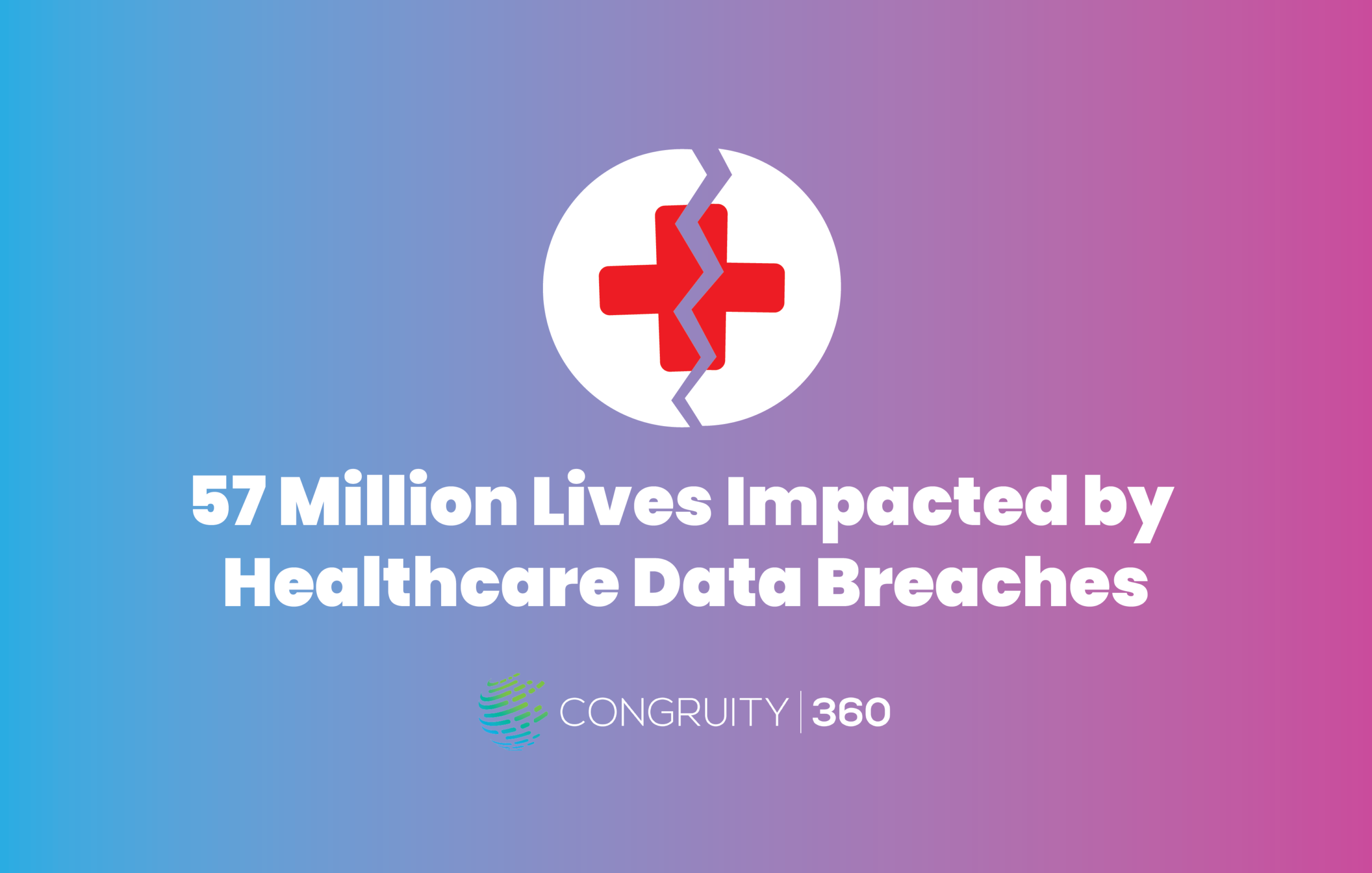
Healthcare data breaches in 2025 have reached staggering levels, exposing the protected health information (PHI) of tens of millions of Americans. According to year-end data from the U.S. Department of Health & Human Services (HHS) breach portal, nearly 57 million individuals were affected by healthcare data breaches in 2025 alone.
Other analyses report more than 35 million individuals impacted by large healthcare breaches reported to HHS during 2025 — with that number expected to rise due to reporting delays.
In just the first half of 2025, 31 million individuals had their PHI exposed in major healthcare breaches.
These numbers underscore a critical reality: healthcare cybersecurity risk continues to accelerate in both scale and impact.
Why Healthcare Breach Numbers in 2025 Vary
If you’ve been researching 2025 healthcare breach statistics, you’ve likely seen different totals reported. Here’s why:
1. HHS OCR Reporting Thresholds
The HHS Office for Civil Rights (OCR) only tracks and publicly posts breaches affecting 500 or more individuals. Smaller breaches are reported differently and may not be immediately reflected in public tallies.
2. Sector-Specific vs. Cross-Industry Reporting
Some cybersecurity research firms include breach data across all industries, while HHS reporting is limited strictly to healthcare organizations and their business associates.
3. Reporting Delays in 2025
Healthcare breach totals in 2025 were significantly influenced by reporting delays, including disruptions tied to a 43-day federal government shutdown, which slowed updates to the federal breach portal.
As a result, breach figures continue to evolve — and the final total for 2025 may climb even higher.
The Largest Healthcare Breach Impacting 2025 Totals
Although it began in February 2024, the Change Healthcare ransomware attack remains the single largest healthcare breach ever recorded — and it continues to influence 2025 reporting totals.
Notification letters and impact assessments were extended into 2025, with the breach ultimately affecting 192.7 million individuals.
While technically spanning 2024–2025, its prolonged reporting timeline significantly inflated 2025 healthcare breach statistics and reshaped national conversations about third-party risk and supply chain vulnerabilities in healthcare IT.
Key Trends Driving Healthcare Data Breaches in 2025
Healthcare organizations remain prime targets for cybercriminals due to:
- High black-market value of PHI
- Legacy IT infrastructure
- Complex third-party vendor ecosystems
- Expanding digital health platforms and cloud migrations
- Ransomware-as-a-service (RaaS) operations targeting healthcare networks
Large-scale ransomware attacks, credential theft, and third-party vendor compromises continue to dominate breach root causes.
The Business and Regulatory Fallout
Healthcare data breaches don’t just expose patient data — they trigger:
- HIPAA investigations
- OCR audits
- Class-action lawsuits
- Regulatory penalties
- Operational shutdowns
- Reputational damage
With tens of millions impacted in 2025, regulators and lawmakers are expected to push for stricter enforcement, enhanced third-party oversight, and more aggressive cybersecurity requirements.
Healthcare organizations that fail to modernize their cybersecurity posture face escalating legal, financial, and operational risks.
Why 2025 Is a Turning Point for Healthcare Cybersecurity
The scale of breaches reported in 2025 signals a structural issue, not isolated incidents.
When over 57 million individuals are affected in a single year, and a single ransomware attack can impact nearly 200 million people, it becomes clear that traditional perimeter-based security models are insufficient.
Healthcare systems must shift toward:
- Proactive data discovery and classification
- Continuous risk monitoring
- Zero-trust architecture
- Vendor risk management
- Automated remediation workflows
The healthcare industry has graduated from just managing IT risk to managing enterprise-level cyber resilience.
How Congruity360 Helps Healthcare Organizations Prevent the Next Breach
As healthcare data environments grow more complex, organizations need comprehensive data visibility and risk intelligence. Congruity360 helps healthcare organizations:
- Discover and classify sensitive data across structured and unstructured systems
- Identify overexposed ownership or access to PHI before attackers do
- Reduce ransomware blast radius through data governance controls
- Monitor third-party data exposure risks
- Support HIPAA compliance and audit readiness
By providing deep data intelligence and proactive risk reduction, Congruity360 enables healthcare providers, payers, and business associates to strengthen their cybersecurity posture and reduce the likelihood and impact of future breaches.
Healthcare cybersecurity in 2025 has made one thing clear: organizations that prioritize data visibility and proactive protection today will be the ones that avoid becoming next year’s headline.
Resources and References:
14 million patients impacted by breaches in healthcare data in 2024